
 All Articles
 It doesn’t look like it used to. There’s no waiting in line to buy something. No counting out cash. No real pause between wanting something and having it. Today, money moves at the speed of a tap.
A teen sees a product on TikTok. A friend mentions a new app. A game offers an upgrade. A subscription renews quietly in the background. Within seconds, money is spent—often without the same friction that once forced a second thought.
For parents, this shift can feel disorienting. The lessons that once came naturally—saving up, making trade-offs, physically handing over money—aren’t built into the experience anymore. But the need for those lessons hasn’t gone away. If anything, it’s more urgent.
With seemingly every interaction being digital, financial confidence isn’t just about understanding money—it’s about learning how to navigate an environment designed to make spending easy.
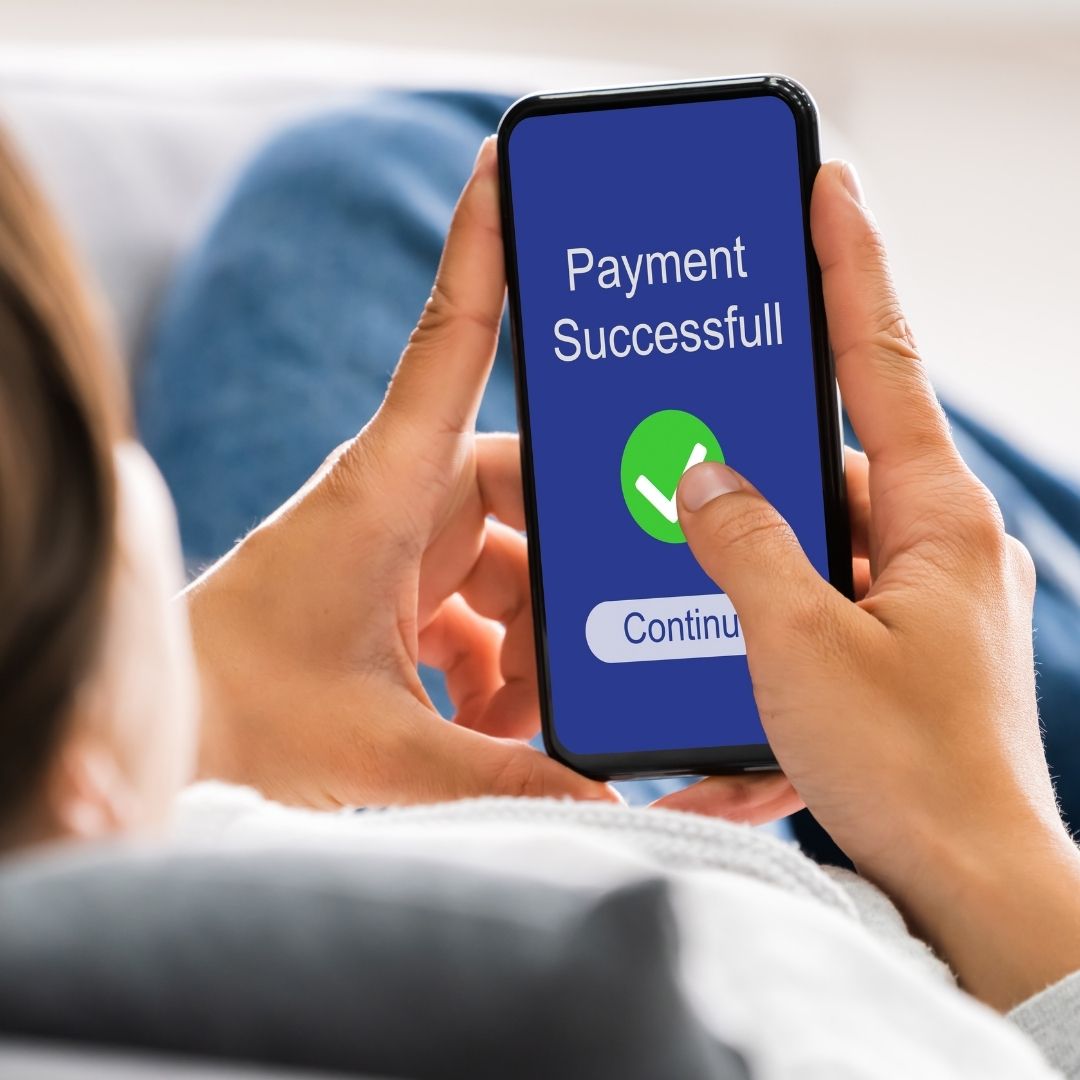
When Spending Becomes Invisible
One of the biggest changes in how teens experience money today is this: they don’t always see it leave. There’s no empty wallet moment. No visual cue that something is gone. Instead, spending happens through:
- One-click purchases
- Saved payment methods
- In-app upgrades and game purchases
- Recurring subscriptions
- Peer-to-peer transfers
It’s seamless by design. But that seamlessness can blur reality. A $5 purchase here. A $12 subscription there. Another small charge next week. Individually, they don’t feel significant. Together, they add up quickly.
For teens, this can make it harder to connect decisions with consequences. For parents, it creates a new challenge: How do you teach awareness when spending is almost invisible?
The Pressure to Keep Up
Layered on top of this is something less tangible, but just as powerful: social influence. Teens today are constantly exposed to:
- Influencer recommendations
- “Must-have” products
- Lifestyle trends
- Friends sharing purchases in real time
The pressure to keep up can make even thoughtful teens act impulsively. Not because they don’t understand money, but because the environment is designed to create urgency.
Helping teens recognize that pressure—without dismissing it—is key. It’s not about saying “don’t spend.” It’s about helping them ask, “Why do I want this right now?”

Teaching Pause in a Swipe-Now Culture
In a world built for speed, one of the most valuable skills is learning to slow down. Delayed gratification used to be built into the process. Now, it has to be taught intentionally. That can look like:
- Waiting 24 hours before making a non-essential purchase
- Setting a personal threshold (e.g., If it’s over $20, I wait.)
- Talking through bigger purchases before committing
- Creating savings goals that compete with impulse buys
These small pauses create space for better decisions. For teens, it builds confidence—they’re not just reacting, they’re choosing. For parents, it shifts the role from gatekeeper to guide.
Digital Boundaries That Actually Work
Boundaries matter, and in a digital environment, they need to look different. Good boundaries create structure that supports learning. Some families set:
- Monthly or weekly spending limits
- Guidelines around subscriptions and auto-renewals
- Check-ins before large purchases
- Shared visibility into account activity
When teens understand the boundaries and the reasons behind them, they’re more likely to engage with them. And as they build trust, those boundaries can evolve.

The Subscription Trap (And How to Avoid It)
Subscriptions are one of the easiest ways for money to quietly slip away. Music, streaming, apps, gaming platforms—they’re convenient, but they’re also easy to forget. A good habit to build early is a simple one: review subscriptions regularly. Sit down once a month and look at
- What’s active
- What’s actually being used
- What can be canceled
For teens, this creates awareness. For parents, it opens the door to collaborative decision-making rather than surprise charges.
Turning Awareness into Confidence
Financial confidence is about understanding. Understanding where money is going. Understanding why decisions are being made. Understanding how small habits add up over time.
And that understanding requires visibility. When teens can see their money—when they can track it, question it, and adjust—it becomes real again.
A Smarter Way to Support Digital Money Habits
That’s where the right tools can make all the difference.
Smart Start CheckingTM is designed to meet teens where they already are—on their phones, in real time—while giving parents the ability to stay connected in a meaningful way.
With online and mobile banking, teens can easily check their balance, track spending, and build awareness with every transaction. That visibility turns abstract spending into something tangible.
Real-time transaction alerts add another layer of insight. Instead of finding out later, both teens and parents can see activity as it happens—creating opportunities for conversation and learning.
For parents, it’s a way to stay informed without hovering. For teens, it’s a chance to build independence with a safety net in place.
And because Smart Start CheckingTM is backed by a trusted, FDIC-insured bank, families can feel confident their money—and their learning experience—is secure.

Building Confidence That Lasts
The world teens are growing up in isn’t slowing down. Spending will continue to get faster. Influences will continue to multiply. New platforms will keep emerging. But the fundamentals haven’t changed.
Thoughtful decisions, awareness, and habits still matter. The difference is in how those lessons are taught.
For today’s teens, financial confidence starts with learning how to navigate these realities. And for parents, the goal is to create an environment where those decisions can be made, understood, and improved over time.
Give Your Teen the Tools to Navigate Today’s Financial World
Helping your teen build financial confidence today means meeting them where they are—online, connected, and moving quickly.
With the right conversations, the right boundaries, and the right tools, you can turn everyday digital spending into real-world learning.